Sacred Heart Catholic Primary School
History
Intent - What are we trying to achieve?
At Sacred Heart School, we aim to deliver a History curriculum which develops our children’s curiosity about the world that they live in, and inspires them to want to know more about the past. We aim to bring history to life through topics which enable a secure, coherent, chronological knowledge of the history of Britain to be learnt and built upon. We also aim to equip them with an understanding of their (and the school’s) local history. Additionally, the children will study significant aspects of history from the wider world and will be able to understand their importance and impact on society.
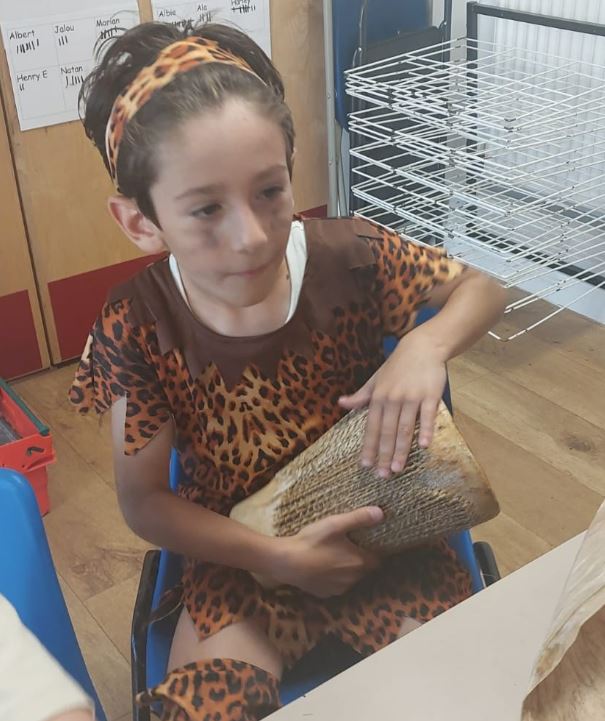
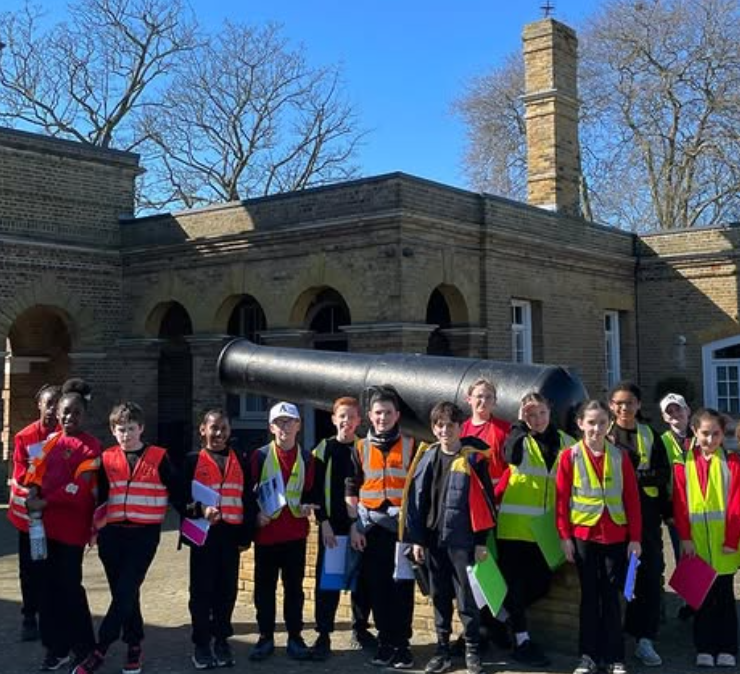
Children will develop an increasing understanding of what historical evidence is and how it can be used to draw conclusions about the past. Children will be encouraged to develop an increasing understanding of how current daily life has been influenced by people and events from the past. A high-quality history education will help pupils gain an understanding of the complexity of people’s lives, the process of change, the diversity of societies and relationships between different groups, as well as their own identity and the challenges of their time.
Implementation - How is our vision translated into practice?
During their history journey at Sacred Heart, every child should develop a sound knowledge of:
- What chronology is, including that different events and societies can occur at the same time.
- Key historical figures and events for each unit are covered, and the impact that they had.
- How different periods of time compare to life today
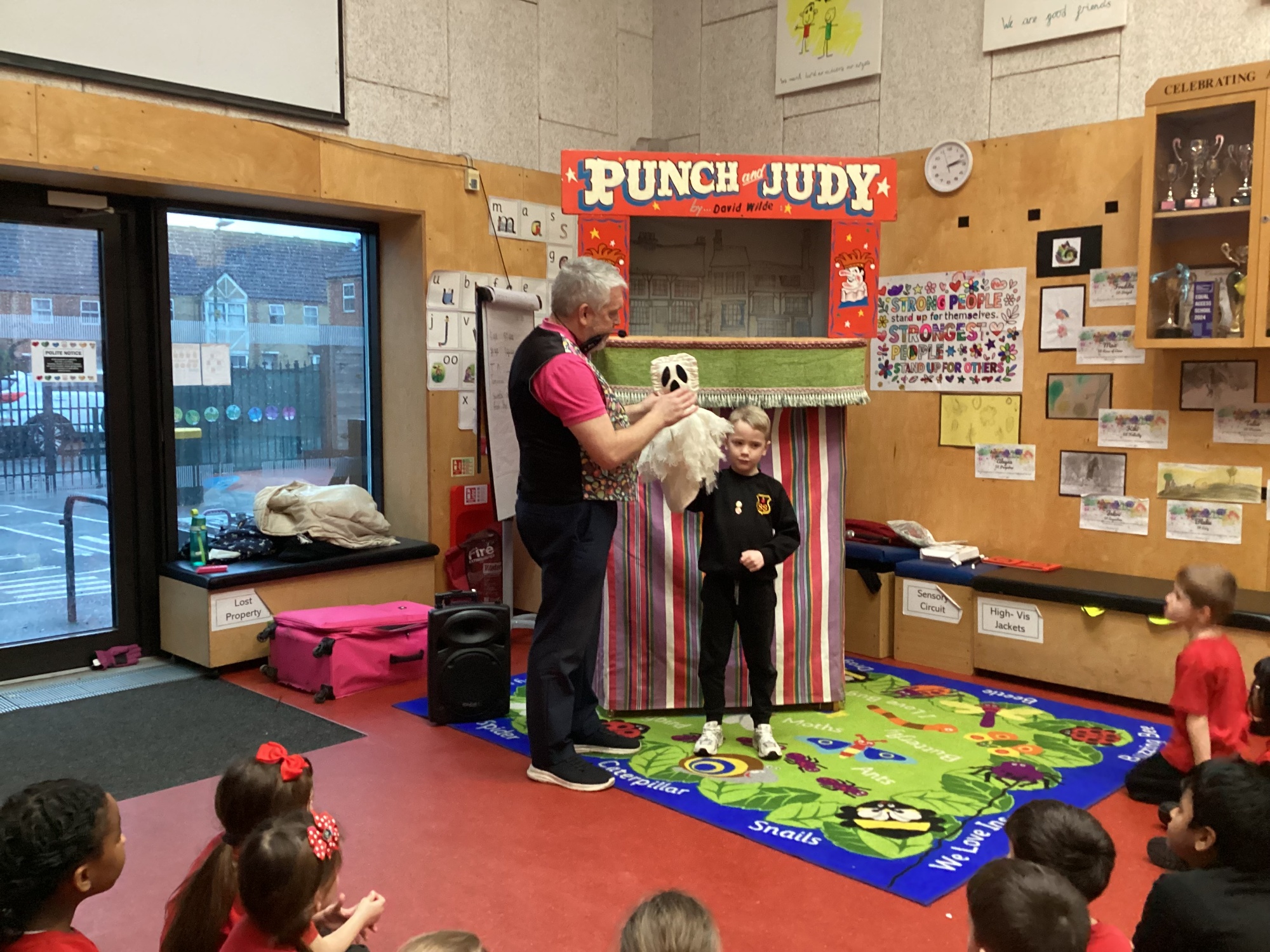
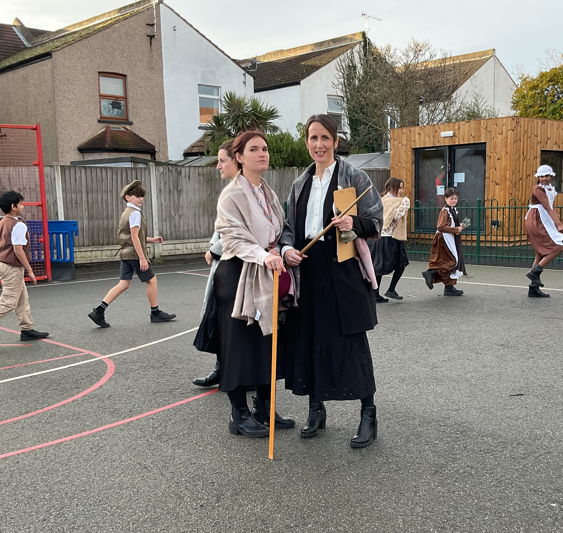
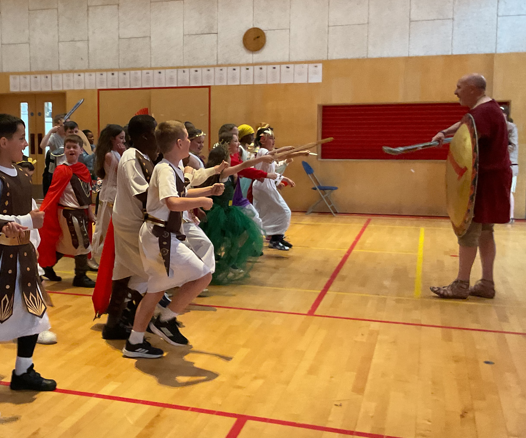
Every student will be given the tools and support to enhance their historical skills to:
- Use a range of sources and artefacts to build on critical thinking and analyse skills.
- Use the information and evidence they have discovered to enhance their work across the curriculum.
Impact - What is the impact on our curriculum?
At Sacred Heart, the impact of our history curriculum is assessed through a range of methods, including effective questioning during lessons, the evaluation of pupils' written work, observations of child-led discussions, and conversations with pupils across the school about their historical learning. We believe that our pupils develop a secure understanding of the past, a strong sense of chronology, and the skills to think critically about historical evidence and interpretations. Through their learning, children leave primary school well-prepared to continue their study of history at Key Stage 3 with curiosity, confidence, and a genuine appreciation of how the past has shaped the world today.